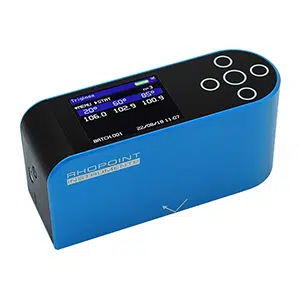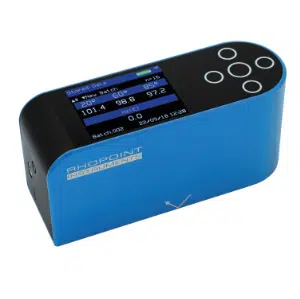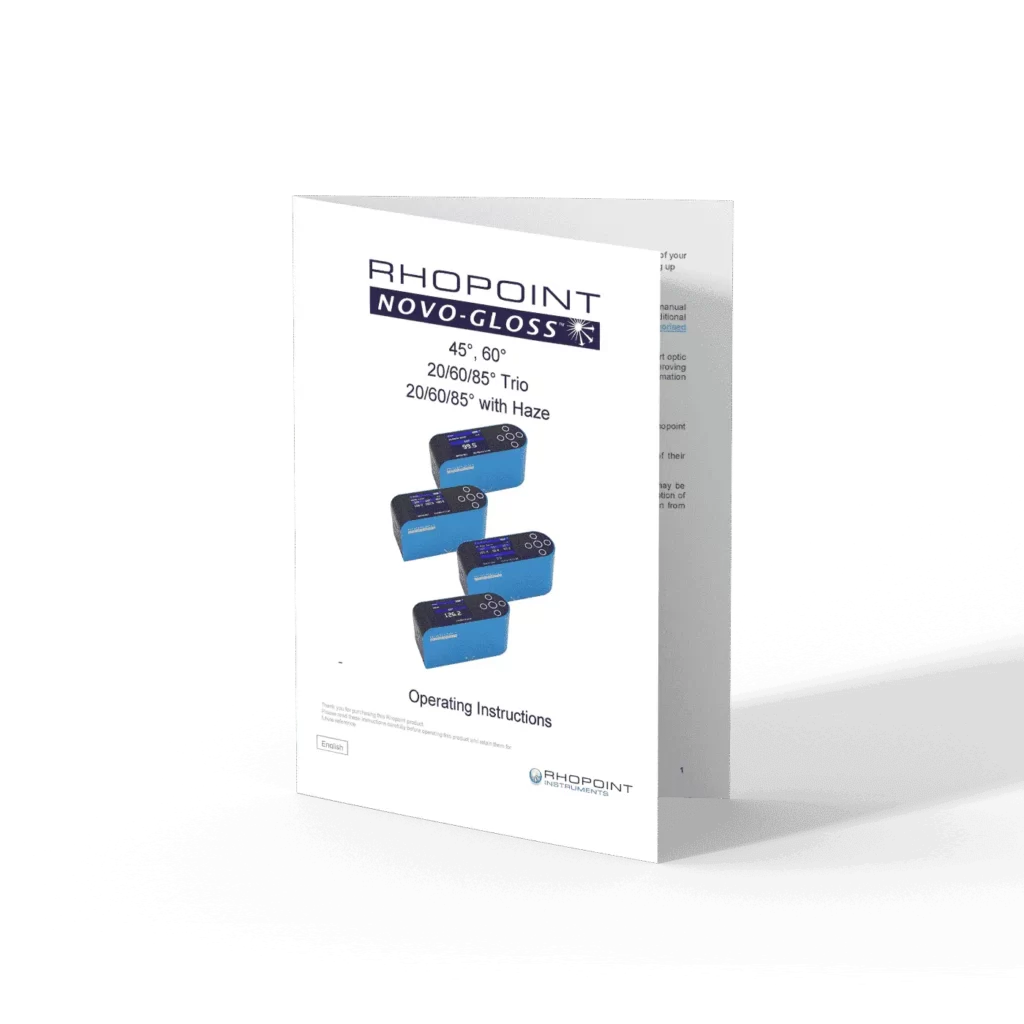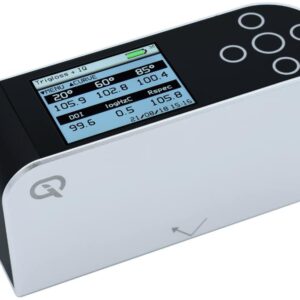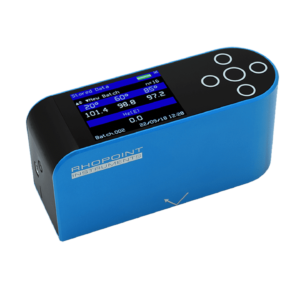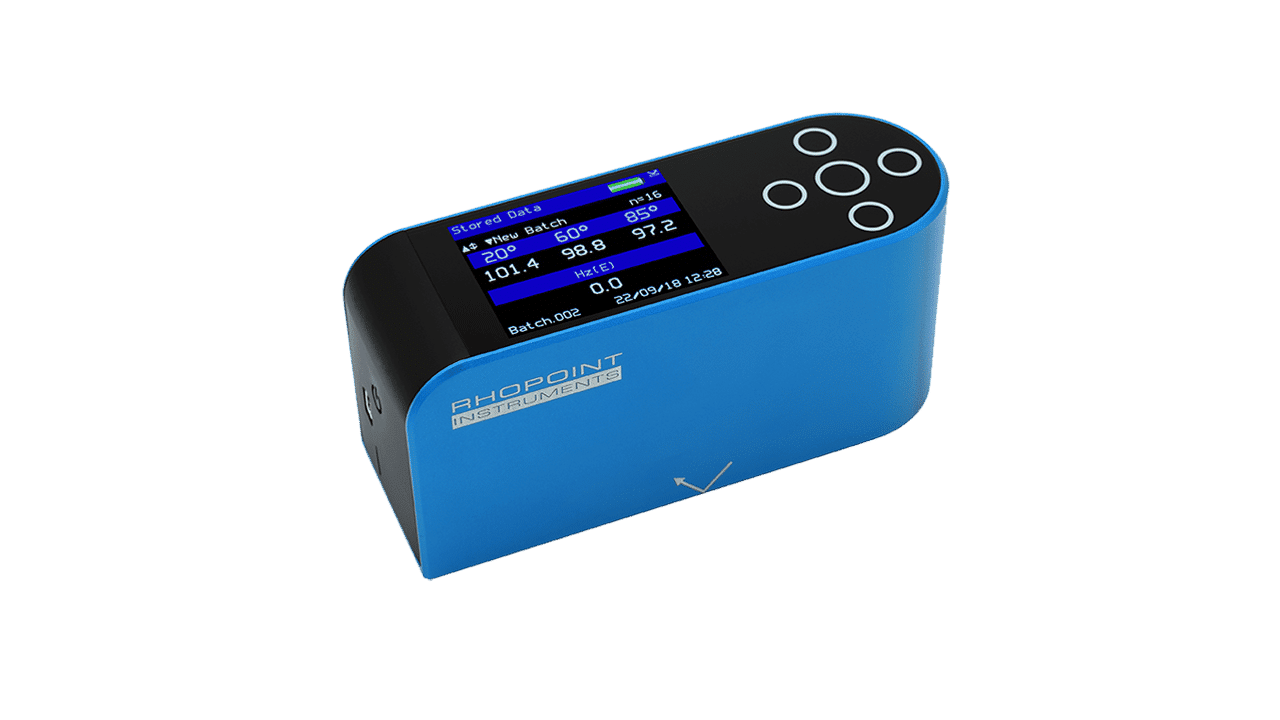

Novo-Gloss 45 Glossmeter

  • 45° glossmeter for all gloss applications
  • Specialist angle for the measurement of films and ceramics
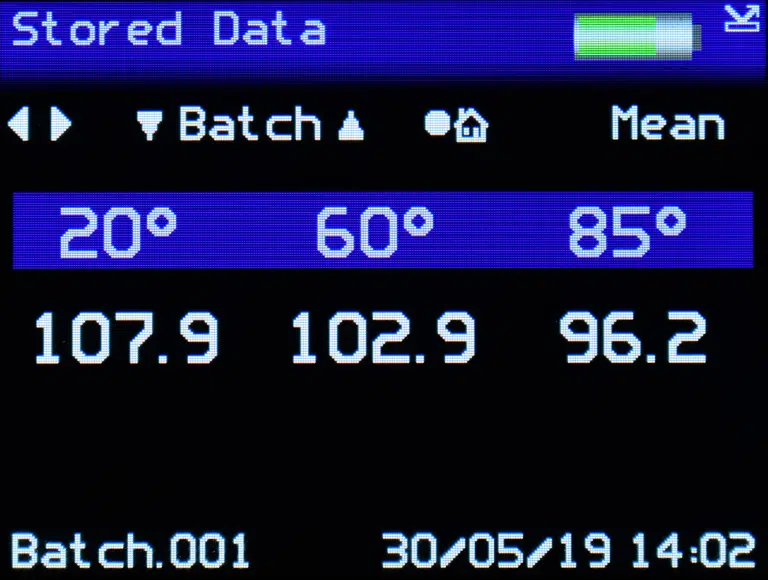
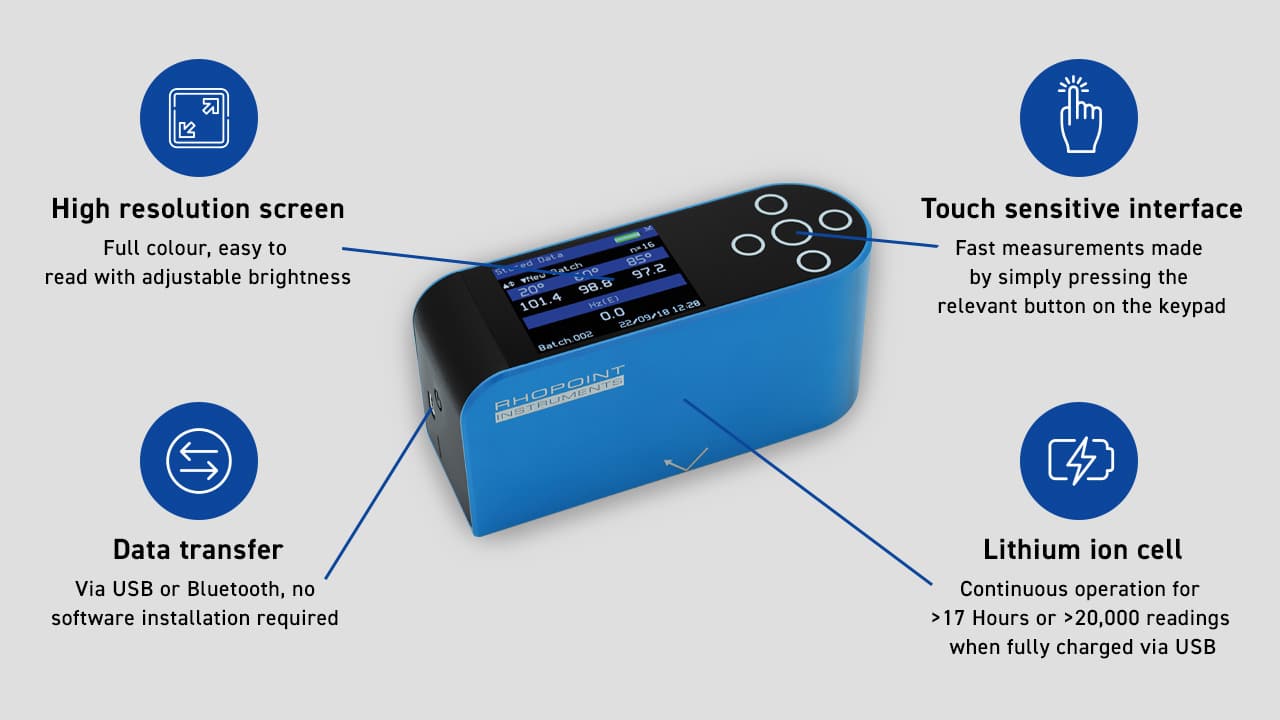
  • Full colour easy to read screen
  • Easy reporting

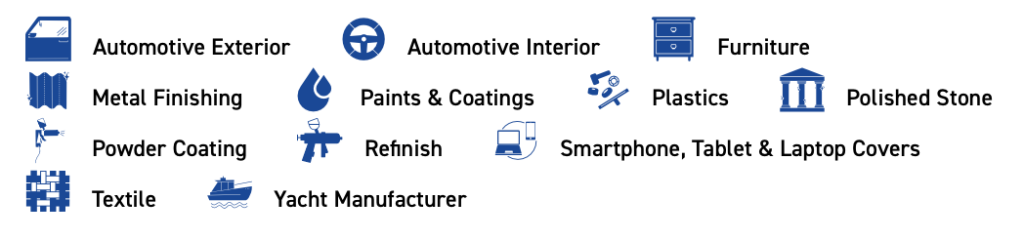
Industries and Applications

Description

Description

Novo-Gloss 45 Glossmeter

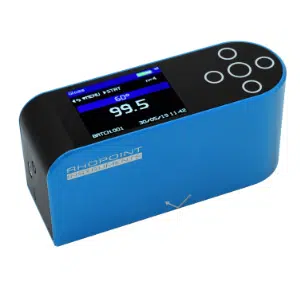
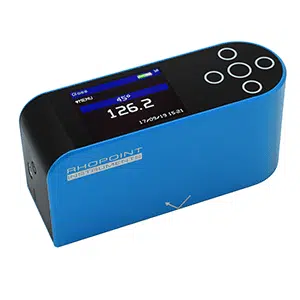
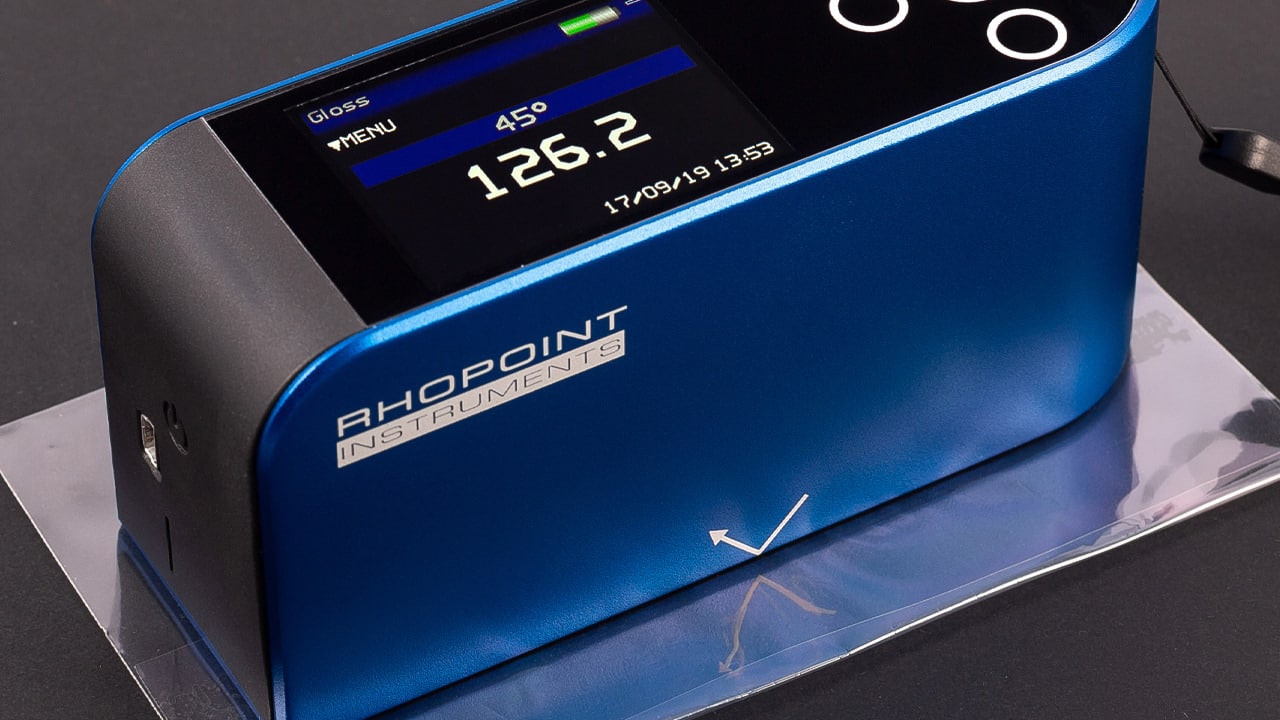
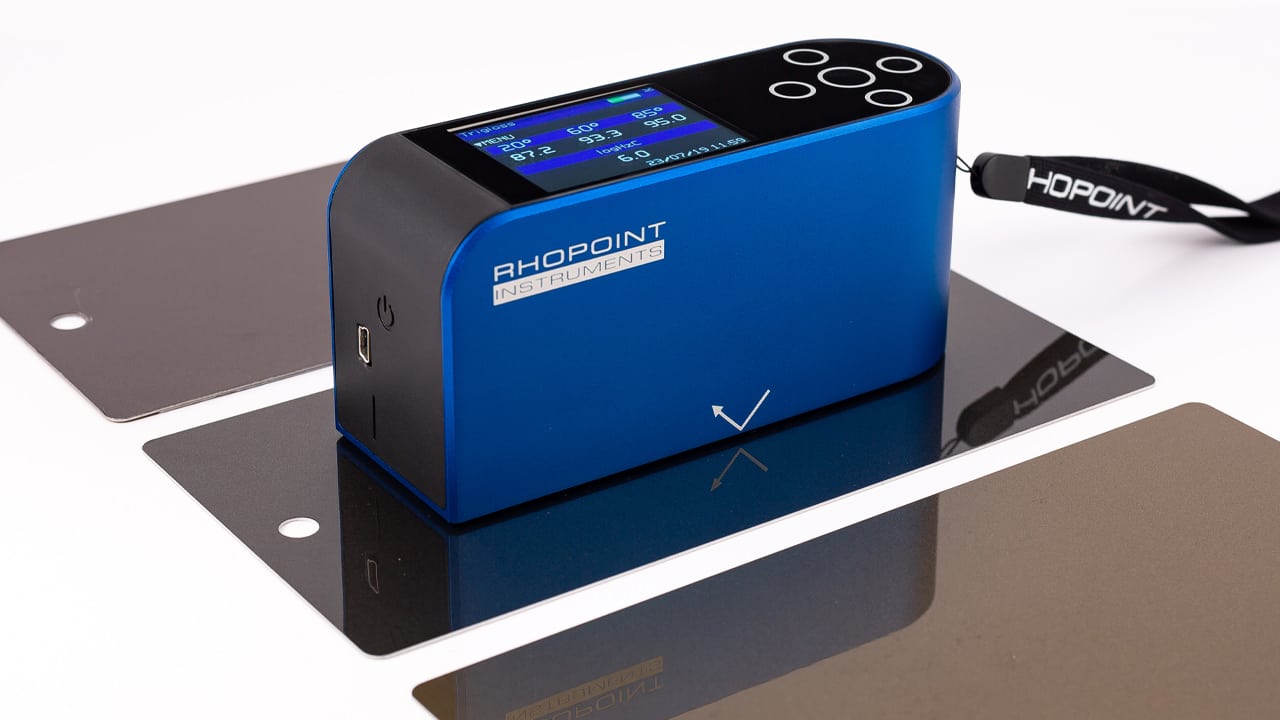
The Novo-Gloss 45° gloss meter is suitable for measuring gloss of ceramics, metal manufacturing and plastic films.

Glossmeter features:

  • Ultra-fast measurement time
  • Time and date stamped results
  • Measurement results in GU or in % reflectivity
  • Automatic tile detection for faster calibration
  • Full on-board statistics
  • Graphical trend analysis of results for simple reporting.
  • Easy Batching – User definable batch size and names for more efficient measurement of multiple samples
  • Software-free data transfer of measurements and batches
  • Direct data input via Bluetooth – transmit each measured reading directly into Microsoft Excel or other programs
  • Pass / Fail for easy identification of non-conformances
  • Auto-ranging, suitable for measuring matt to mirror finishes
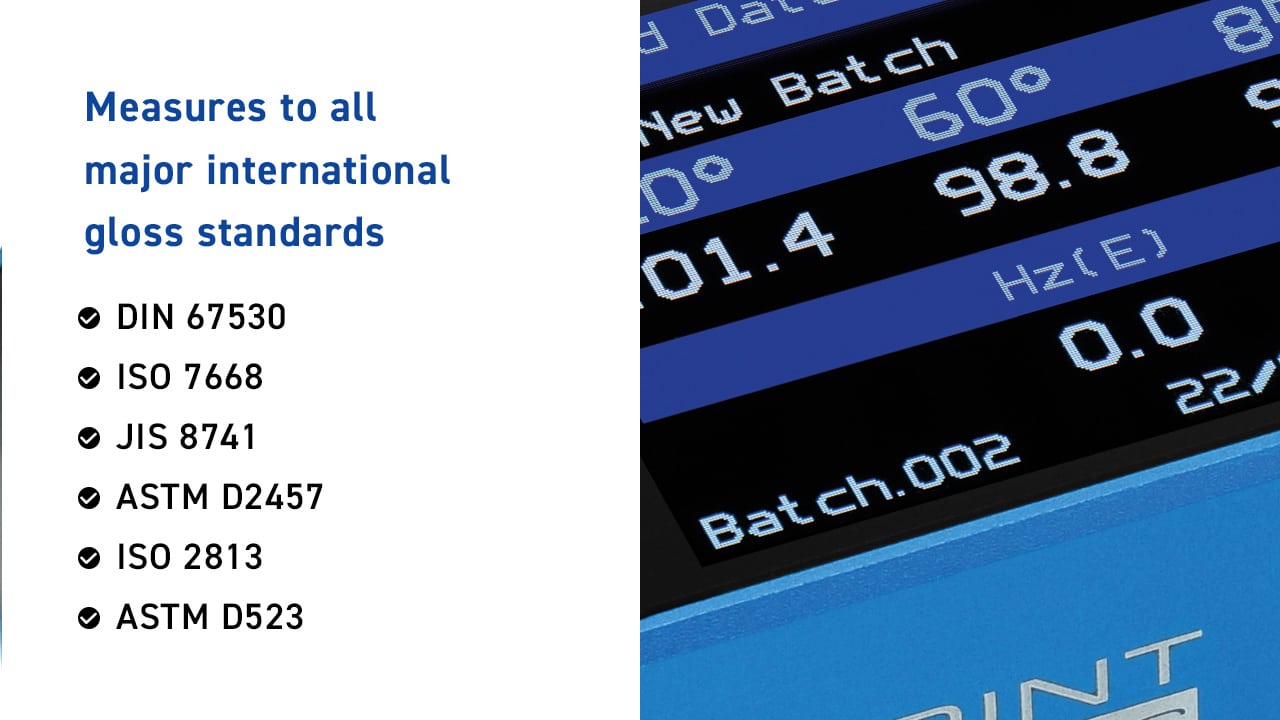
  • Compliant to major international standards such as ASTM C346
  • Calibrate to any standard (from low gloss to mirror finish)
Features

Measurement

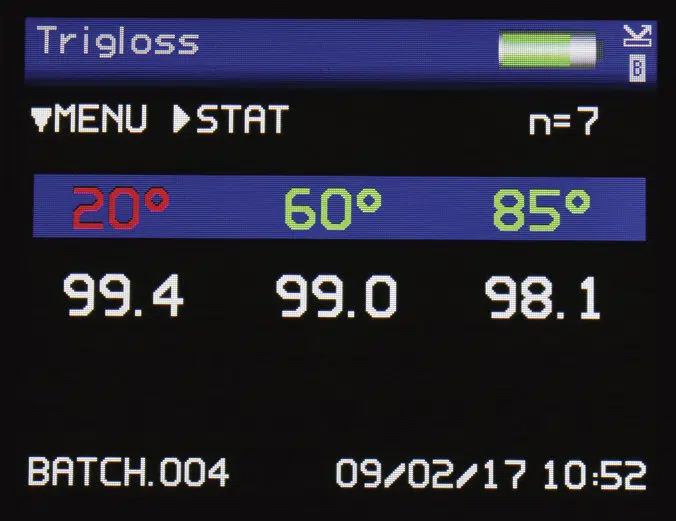
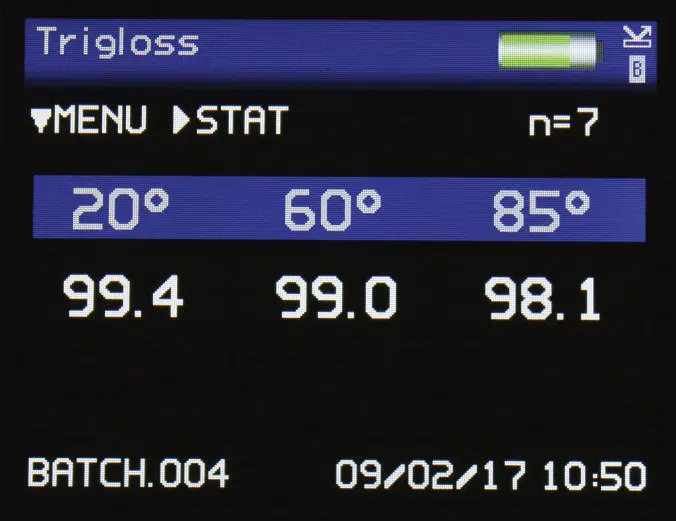
Simultaneous measurement of all parameters in GU or % reflectivity, date and time stamped.

Statistics

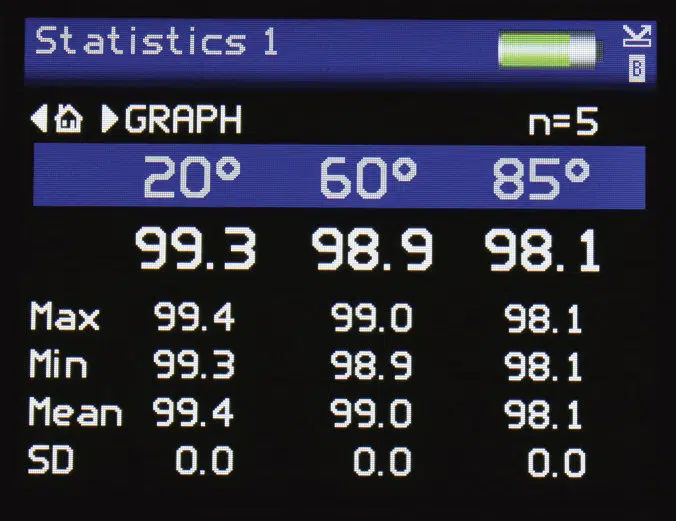
Displays full statistics for the readings in the current batch.

Graphical

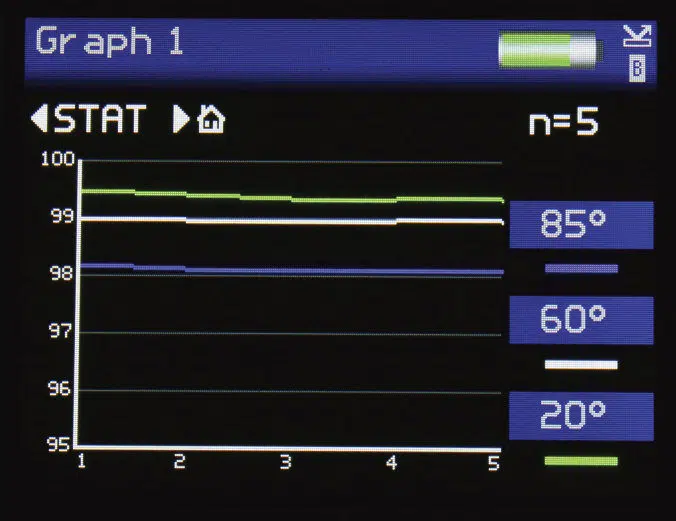
Graphical reporting for quick trend analysis.

Parameters

Pass / fail parameters can be defined for instant identification of non-conformances.

Automatic Measurement

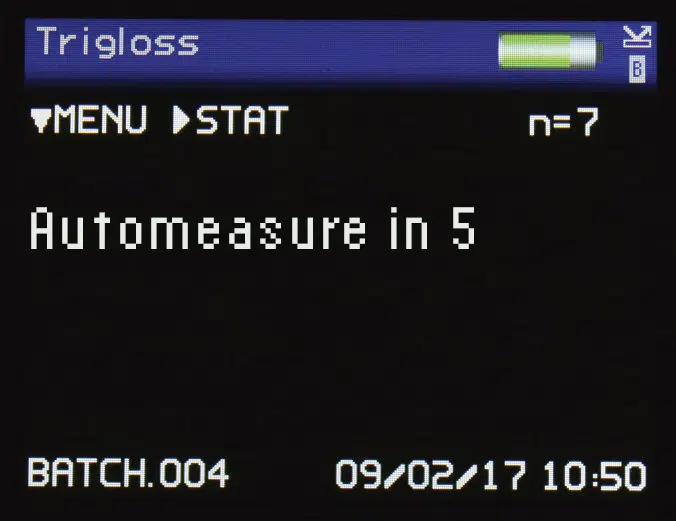
Automatic measurements at pre-defined intervals for easy checking of large surface areas.

Batch Names

User definable batch names and batch sizes for quicker and more efficient reporting.

Data analysis and transfer

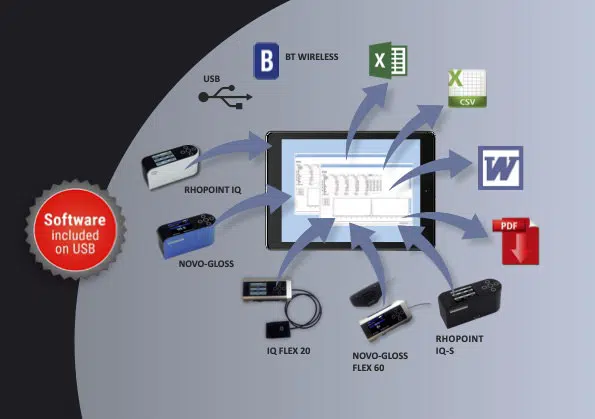
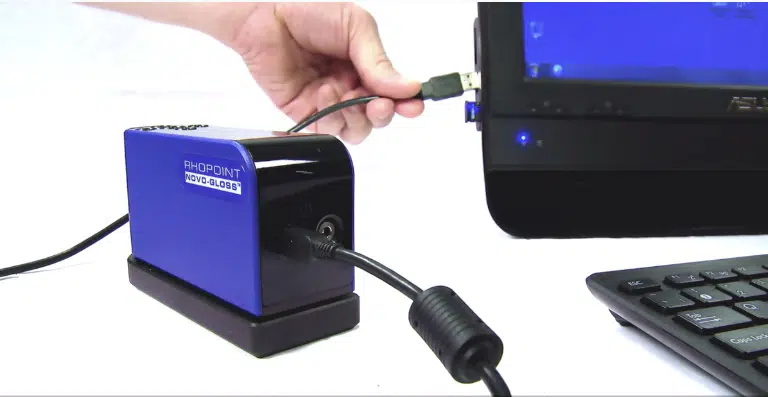
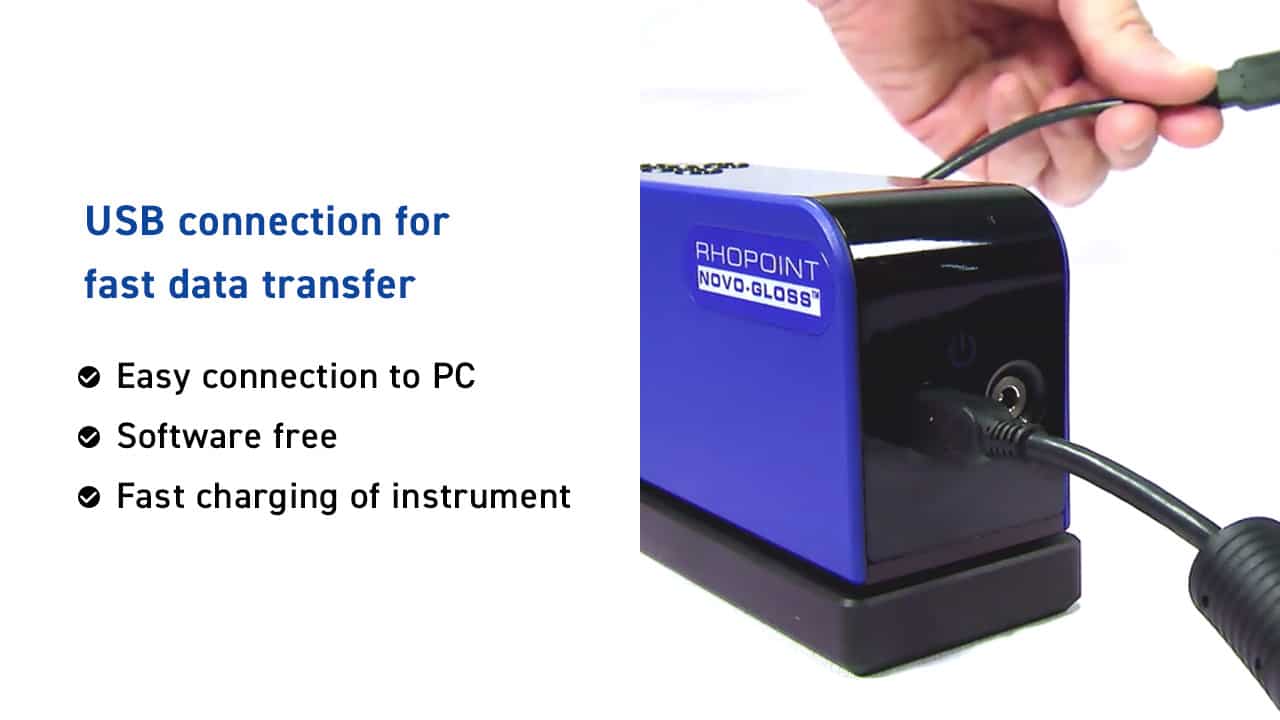
Software-free data transfer

USB connection to PC instantly recognises the device as a drive location which facilitates the quick transfer of .CSV files using Windows Explorer or similar.

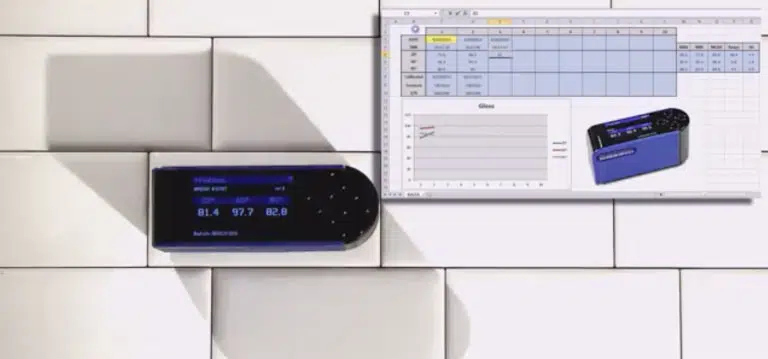
Direct data input via BT wireless

Instantly transmit measured readings directly to programs such as MS Excel on your PC / tablet to greatly simplify the reporting process.

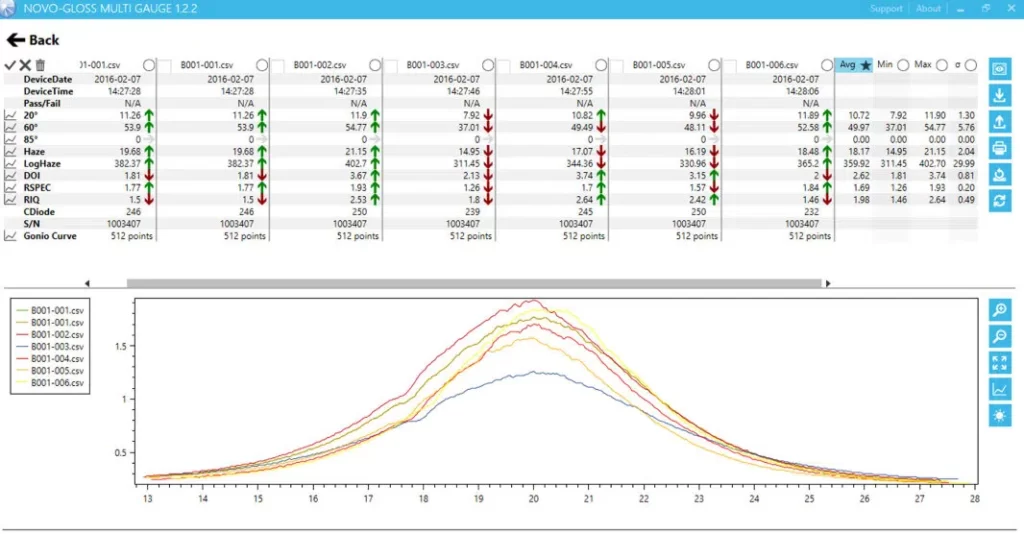
Statistical analysis via Novo-Gloss Multi Gauge software

The included software provides an easy means to measure, import and compare data and export the measurements into several other file formats, e.g. PDF, Excel® or CSV.

View and inspect data saved on the instrument

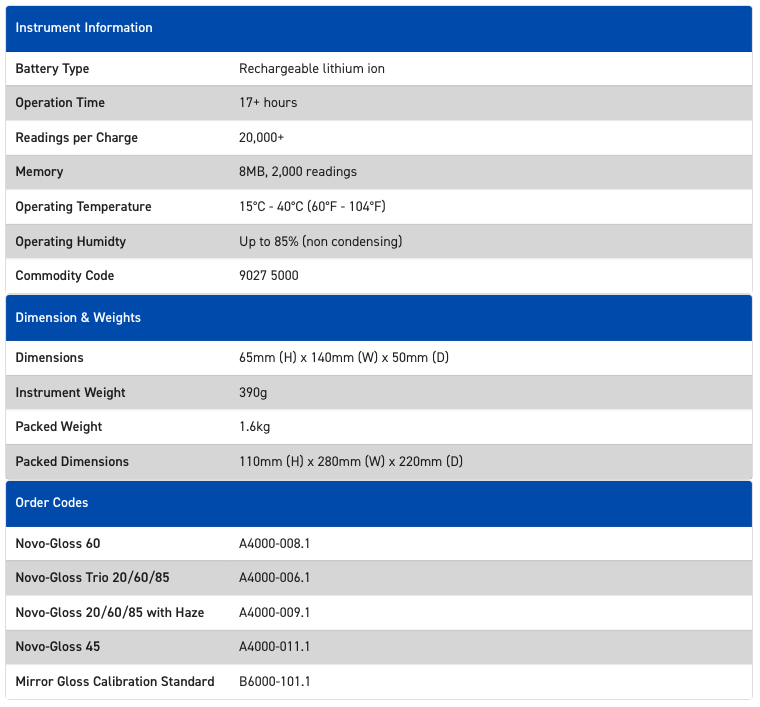
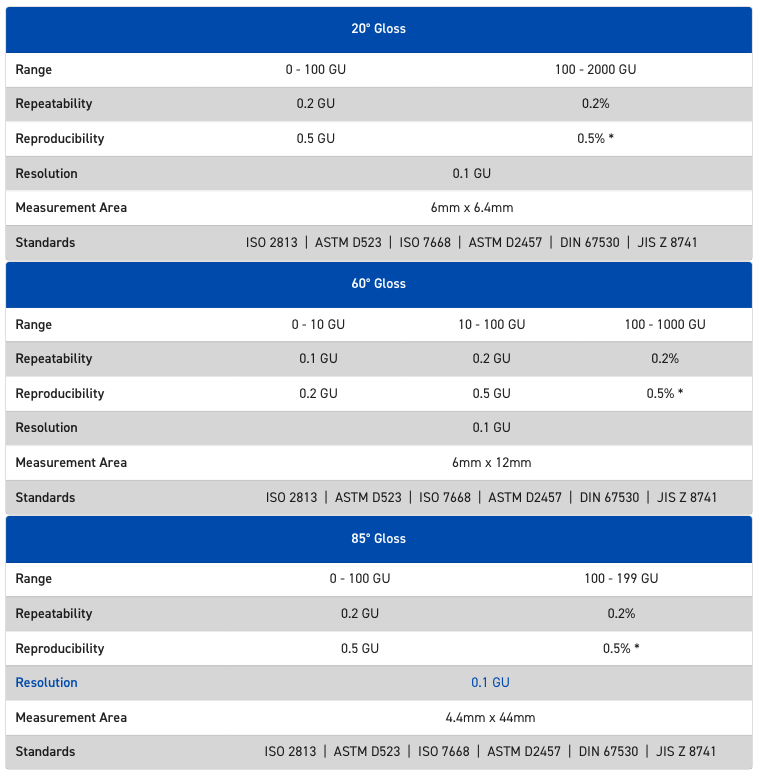
Specifications

To ensure accurate and reliable results, Rhopoint Novo-Gloss Instruments are supplied with standards calibrated and certified according to ISO 17025 UKAS.

Free extended warranty

Free extended 2 year warranty: Requires registration at www.rhopointinstruments.com/help-services/forms-feedback/instrument-registration/ within 28 days of purchase. Without registration, 1 year standard warranty applies.

Free light source warranty

Guaranteed for the life of the instrument.

Calibration and service

Fast and economic service via our global network of accredited calibration and service centres. Please visit www.rhopointinstruments.com/help-services/calibration-servicing/ for detailed information.

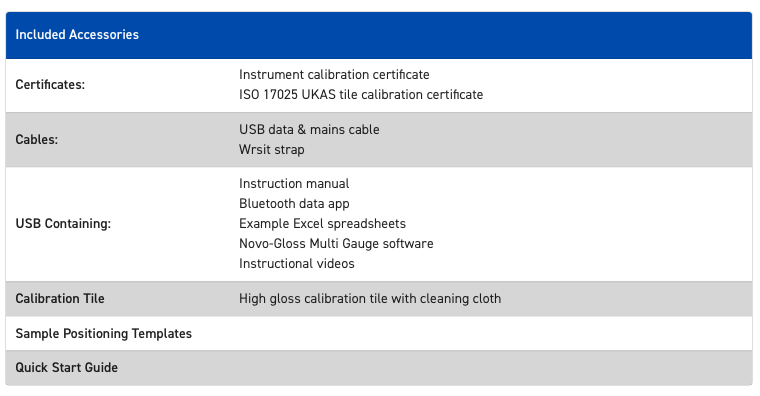
What’s in the box

Why Measure Gloss

The gloss level of an object is one of the visual attributes used by a consumer to determine whether or not that object is fit for purpose.

Gloss has been defined as ‘The attribute of surfaces that causes them to have shiny or lustrous, metallic appearance.’

Manufacturers design their products to have maximum appeal: from highly reflective car body panels to glossy household appliances or matt finish automotive interior trim.

This is especially noticeable where parts may be produced by different manufacturers or factories but will be placed adjacent to one another to create the finished product.

Gloss can also be a measure of the quality of the surface, for instance a drop in the gloss of a coated surface may indicate problems with its cure, leading to other failures such as poor adhesion or lack of protection for the coated surface.

The gloss of a surface can be greatly influenced by a number of factors, for example the smoothness achieved during polishing, the amount and type of coating applied or the quality of the substrate.

It is for these reasons that many manufacturing industries monitor the gloss of their products, from cars, printing and furniture to food, pharmaceuticals and consumer electronics.

It is important therefore that gloss levels are achieved consistently on every product or across different batches of products.

How is gloss measured

Gloss is measured by shining a known amount of light at a surface and quantifying the reflectance.

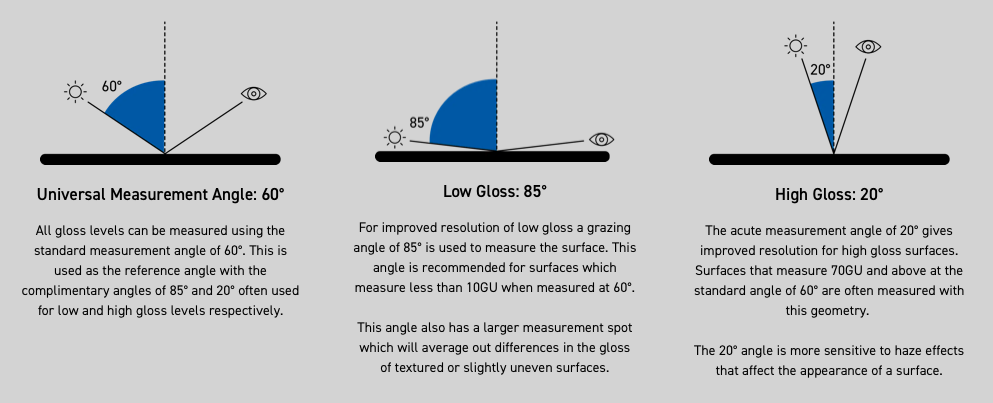
Which angle should I use for my application?

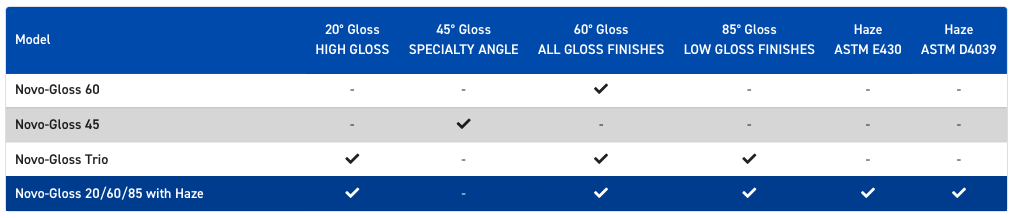
ISO 2813 and ASTM D523 (the most commonly used standards) describe three measurement angles to measure gloss across all surfaces.

Gloss is measured in gloss units (GU) and is traceable to reference standards held at NIST (USA).

Range

Applications

  • Automotive Exterior
  • Automotive Interior
  • Ceramics
  • Composite
  • Non Woven
  • Carton Board
  • Paper
  • Furniture
  • Geomembranes
  • Glass
  • Metal Finishing
  • Packaging
  • Paints and Coatings
  • Plastics
  • Plastics (curved)
  • Plastics (injection Moulded)
  • Plastics (PET)
  • Plastics (Sheeted)
  • Polished Stone
  • Powder Coating
  • Refinish
  • Smartphone, Tablet and Laptop Covers
  • Textile
  • Yacht Manufacturer

Downloads