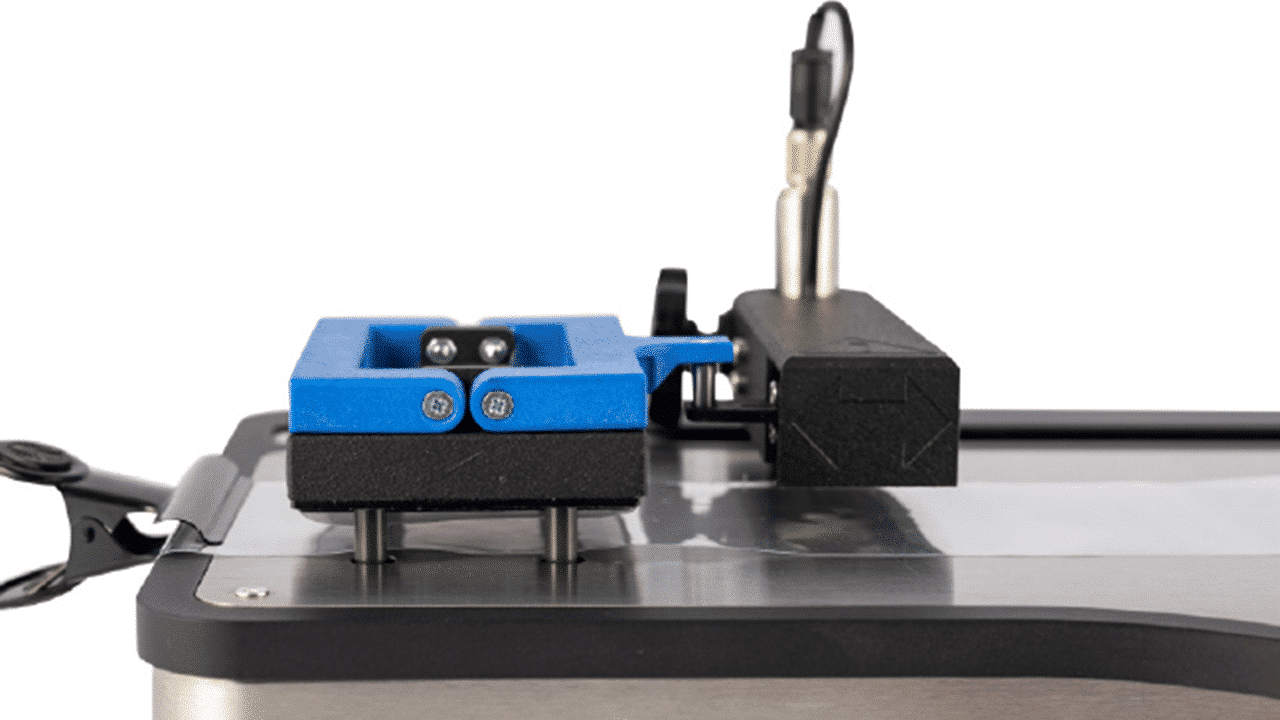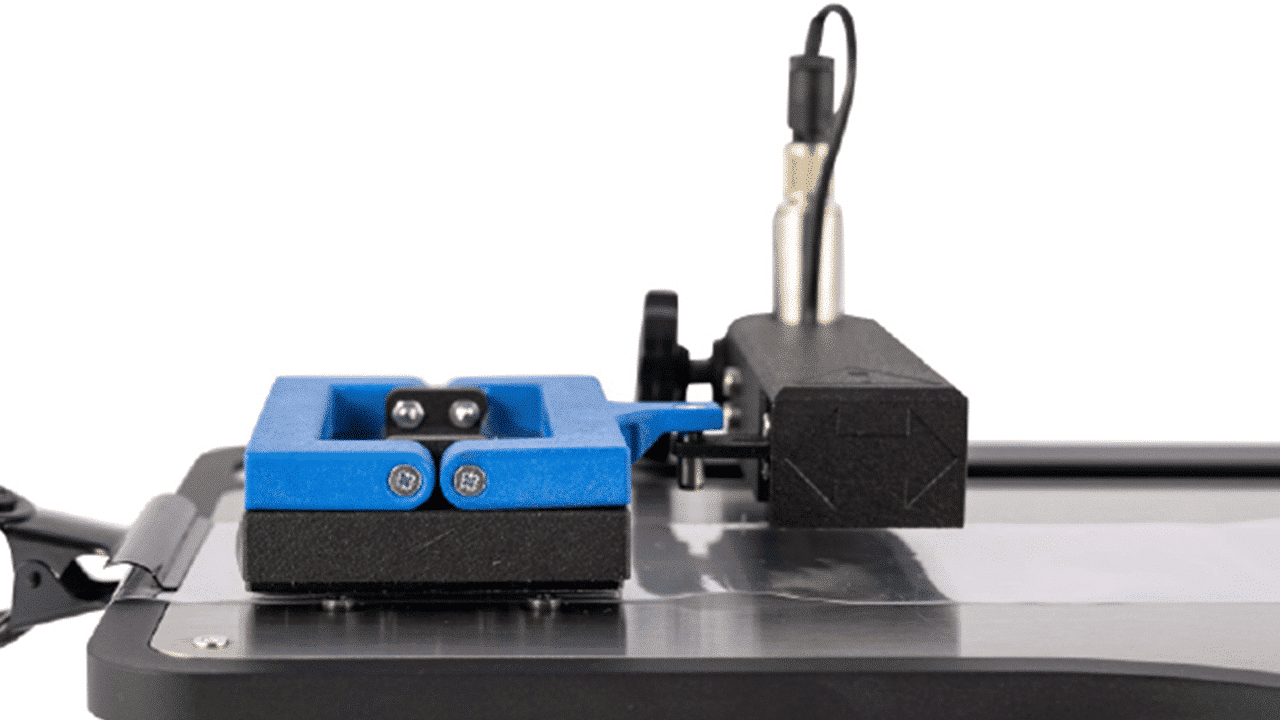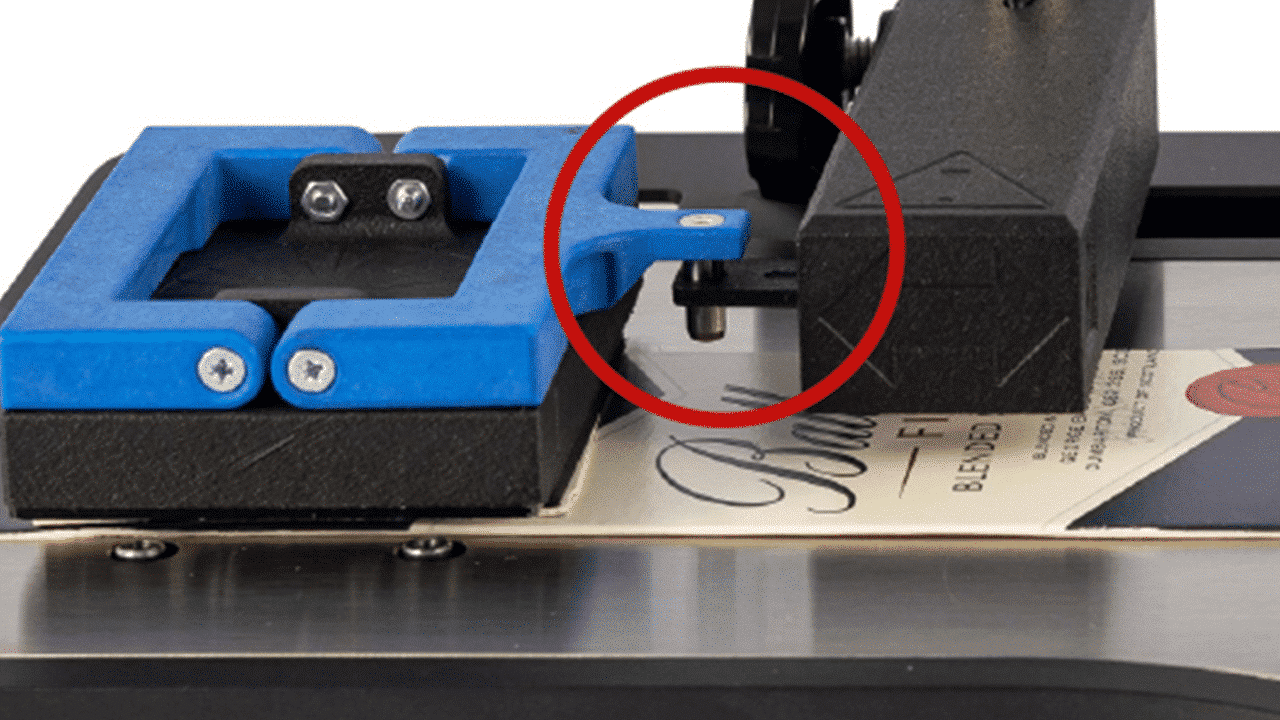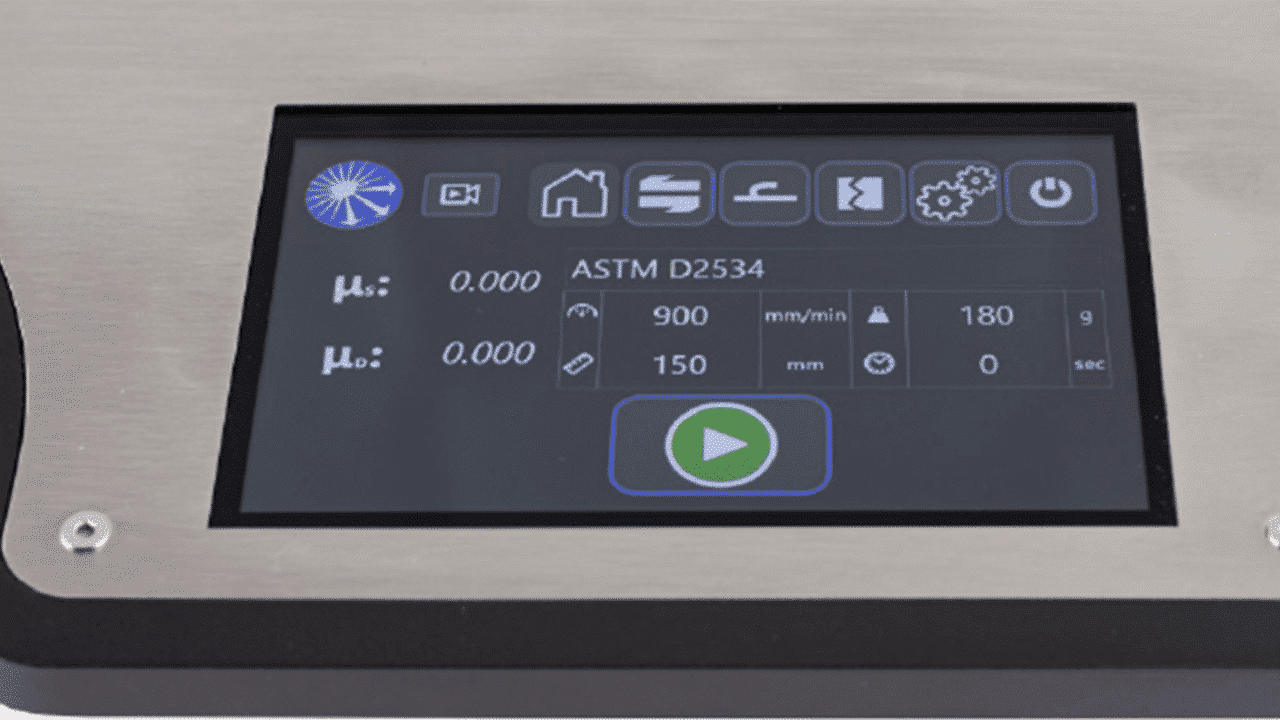
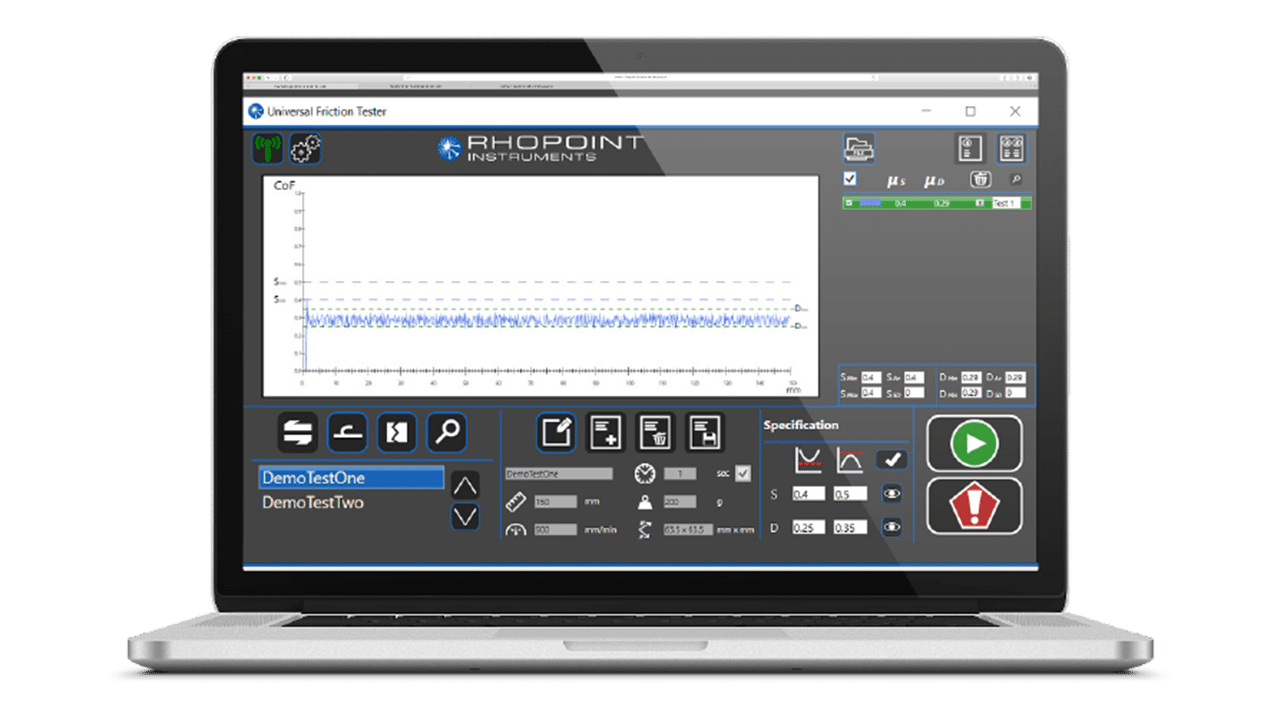
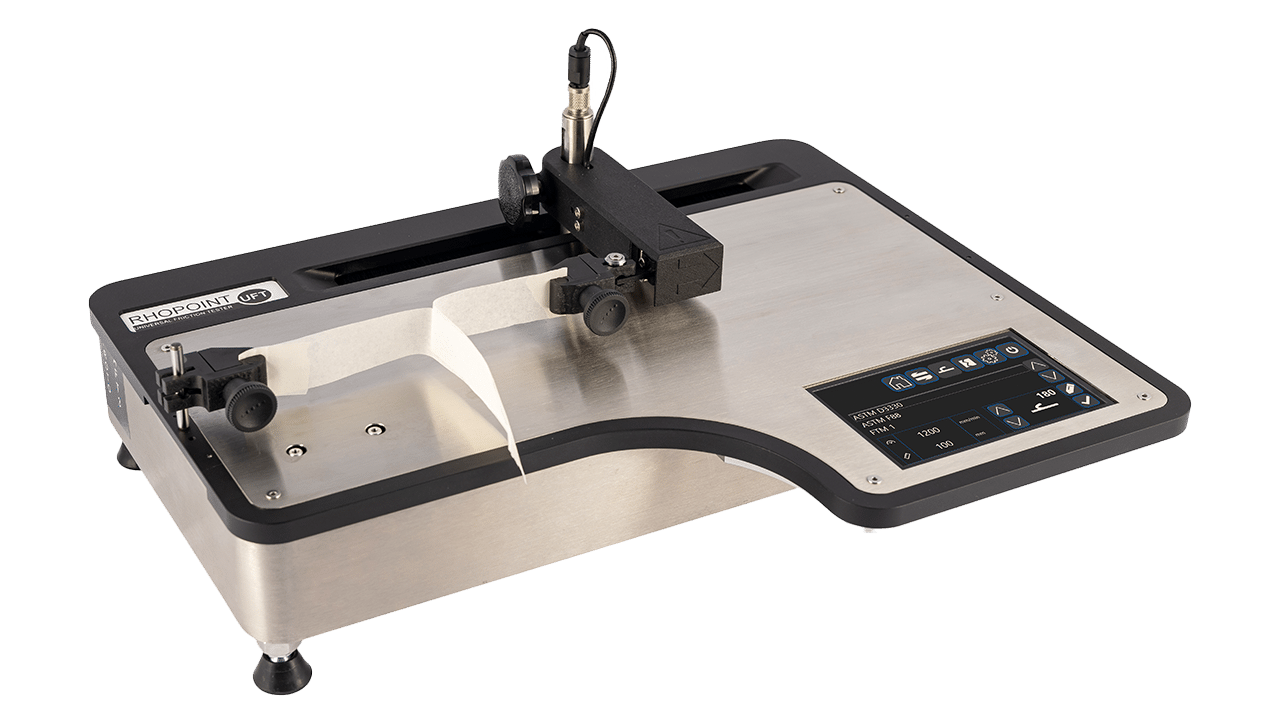








Description
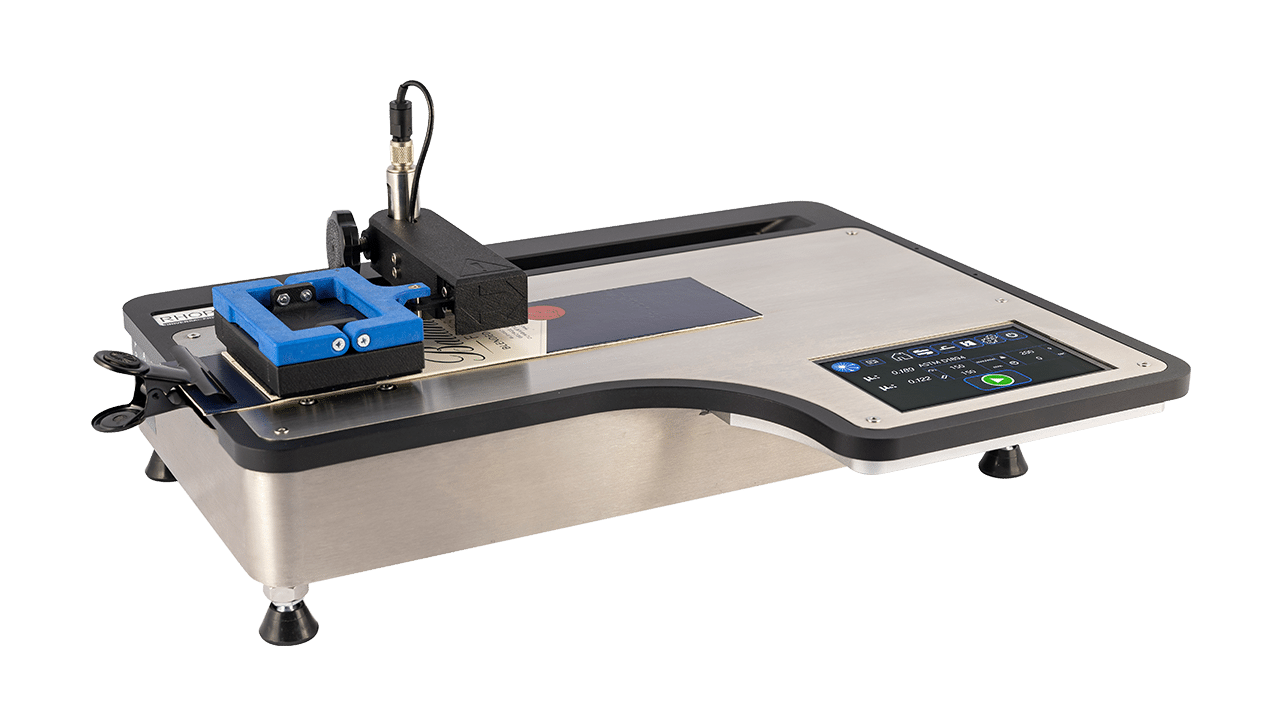
Who measures slip/friction?
Friction parameters help the manufacturer understand how the finish of the blown film or printed carton can influence the feeding and running speeds. Surface
slip is a key factor when printing, erecting or filling packaging materials on an automatic line.
What is slip/friction?
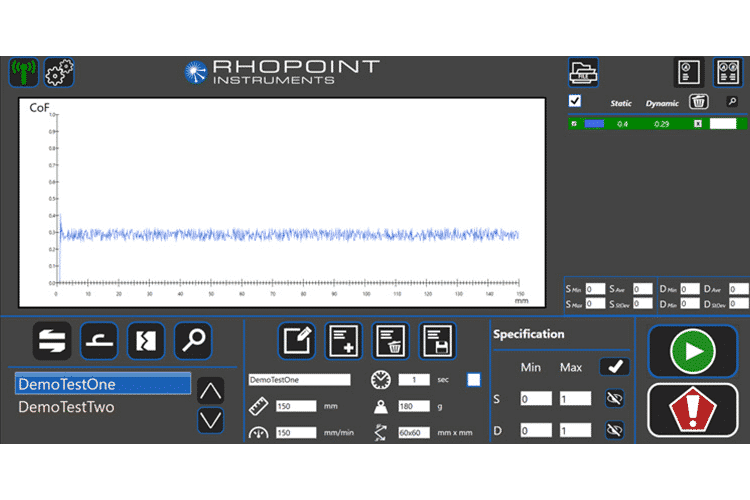
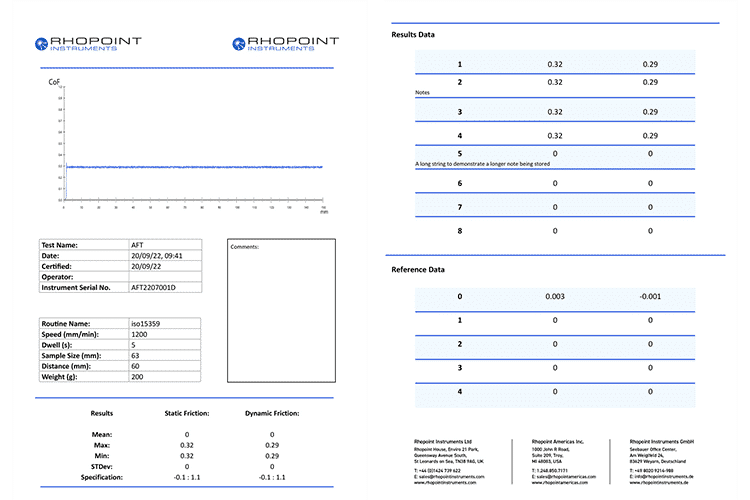
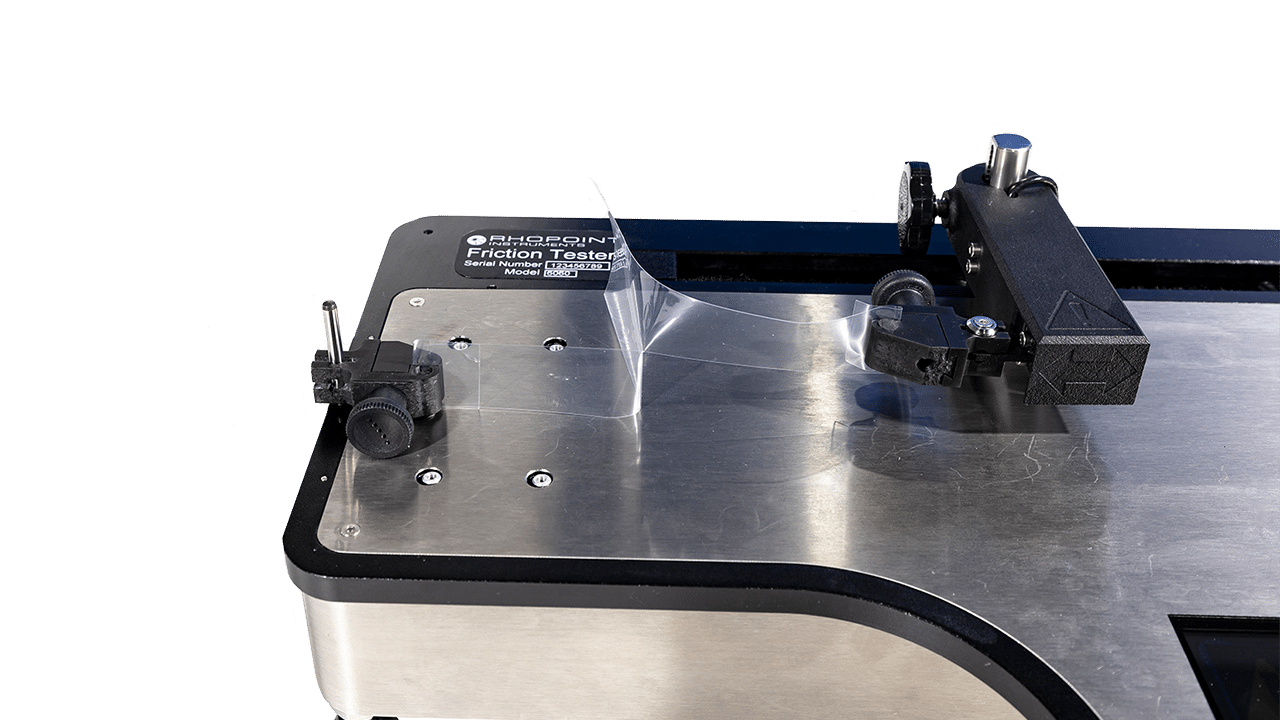
A product’s slip resistance is characterised by it’s coefficients of friction (COF):
Static COF = Fs/N
Dynamic COF = Fd/N
Where Fs is the maximum static frictional force and the Fd is the average dynamic frictional force. N is the Normal force, i.e. the force of gravity acting on the sample and test sled.

In practical terms, the static slip relates to the force required to get two resting surfaces moving, dynamic slip is the smaller force that is required to keep the surfaces moving once this initial “inertia” is overcome.
These values are expressed as ratios and do not have units, they are usually quoted as a decimal value between 0 and 1.
How can Coefficient of Friction Values Relate to Packaging Speeds?
COF can often be related to the feeding and running attributes of products, for instance UV varnished food cartons have a slip coefficient that is related to the formulation of the UV coating its cure and film weight.
Cartons that have a very low static coefficient of friction may have handling difficulties as they will tend to slide apart and are difficult to place into feeding hoppers.
In contrast, products which have a high COF will tend to stick together and can be prone to misfeeding due to multiple cartons entering the packaging line at once.